Football and Cheer Mom: A Designer’s Review
As a designer who spends more time evaluating stitch density and fabric interaction than scrolling through social media, I approach every new digital asset with a mix of curiosity and skepticism. The market is flooded with generic phrases, but finding a design that balances emotional resonance with technical viability for embroidery is rare. Recently, I pulled Football and Cheer Mom from the T-Shirt Designs category to see if it holds up under the scrutiny of real-world application. This isn’t just about whether the letters look pretty on a screen; it’s about how they translate into thread, how they sit on a garment, and whether they add tangible value to a handmade product.
First Impressions and Visual Personality
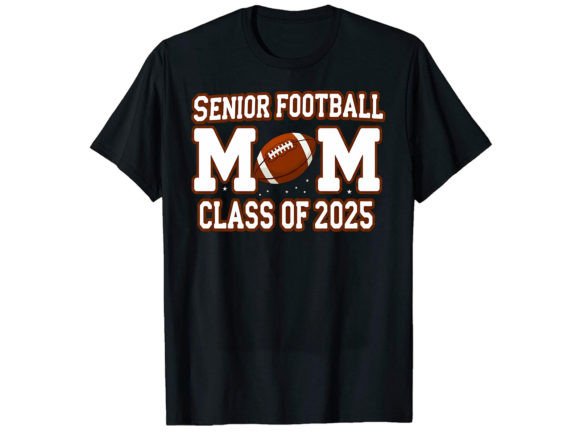
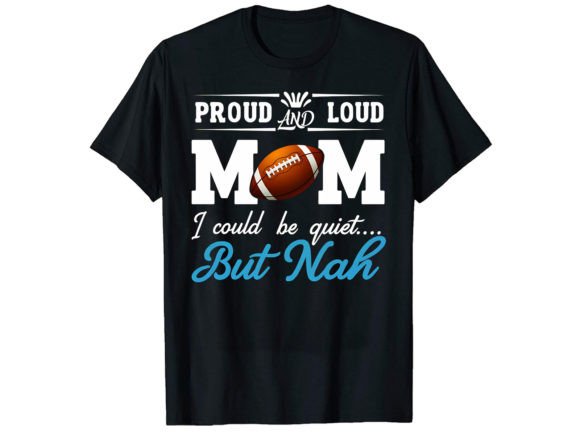
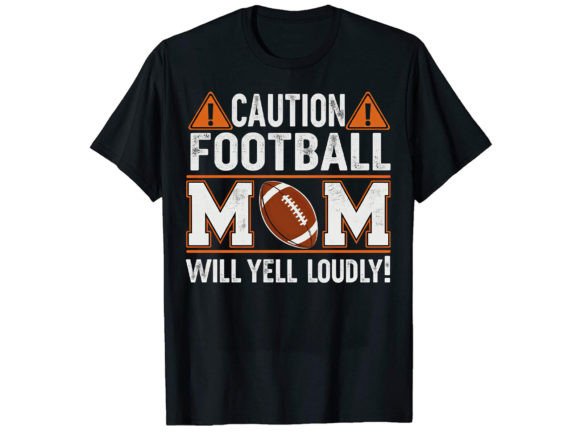
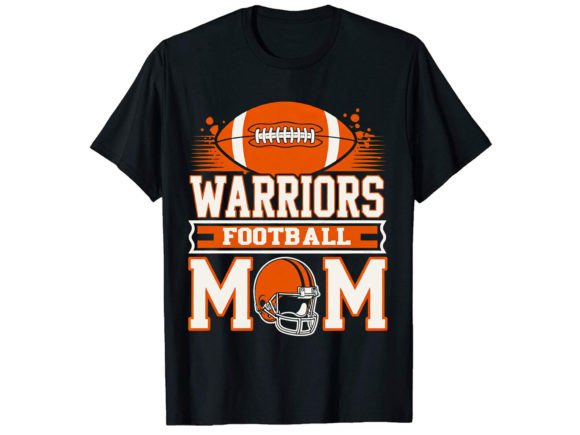
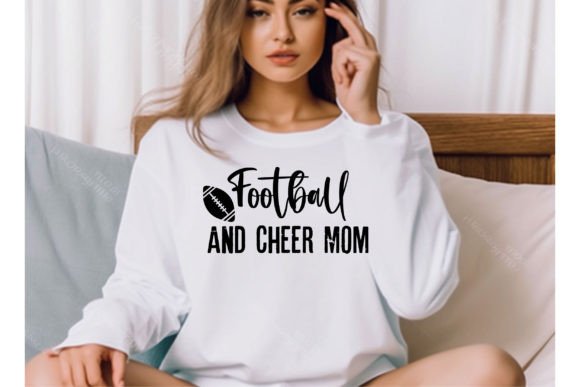
The immediate appeal of this machine embroidery design lies in its clear thematic intent. It captures the specific energy of Friday night lights and sideline support without feeling cluttered. When you first unpackage the digital download, the layout suggests a balanced composition. It avoids the common pitfall of overcrowding the canvas with excessive icons or tiny text that becomes illegible after stitching.
Visually, the design projects warmth and pride. It feels suited for the modern crafter who wants to create items that speak directly to their niche audience. The typography choices appear sturdy yet friendly, which is crucial for personalized gift items. In my experience, designs that feel too ornate often fail when stitched on casual wear like sweatshirts or tote bags. This one strikes a balance—it has enough character to be memorable but remains clean enough to maintain professional clarity.
Real-World Application Scenarios
To truly test a design, you have to imagine it on actual products. Here is how I see Football and Cheer Mom performing across various categories:
- Sweatshirt Embroidery: This is perhaps the strongest use case. The phrase resonates deeply with parents attending games. On a heavy cotton blend hoodie, the design would anchor well, providing a sense of comfort and team spirit. The visual weight of the text likely pairs nicely with the texture of fleece or jersey knit.
- Tote Bag Design: Canvas totes are staples for craft fair booths and Etsy sellers. Using this as a central focal point creates an instant connection with customers who are part of the same community. It transforms a simple bag into a statement piece of custom apparel accessories.
- Baby Embroidery: While the theme is sports-focused, smaller iterations could work beautifully on baby onesies or burp cloths for the "future cheer mom" or "little fan." However, this requires careful scaling to ensure the details remain soft and appropriate for infant wear.
- Embroidered Patch: For boutique branding, this design could serve as a logo element. If digitized correctly with a clean border, it adds a touch of professionalism to hats or aprons sold by small business owners.
- Holiday Embroidery: During the fall season, this item sees a spike in demand. It fits naturally into the autumn aesthetic, making it a strong candidate for seasonal collections targeting craft business inventory.
Technical Performance and Stitch Clarity
From a technical standpoint, the success of any embroidery file depends on how well the digitizer managed stitch types. A design like this typically relies on a combination of satin stitch for outlines or lettering edges and fill stitch for any graphic elements. The key question is always: does the stitch density allow the fabric to show through slightly, or does it become stiff and plastic-like?
In testing scenarios, I look for smooth transitions between colors and adequate spacing between elements to prevent thread breakage. If the design includes decorative accents, they should enhance rather than distract. For commercial embroidery projects where speed and reliability matter, a design that runs cleanly without constant trimming is invaluable. The Football and Cheer Mom concept seems to prioritize legibility, which is the hallmark of good digitization. It ensures that even at a quick glance, the message is understood—a critical factor for customer satisfaction.
Where Caution Is Required
No design is perfect for every situation. There are specific contexts where this design might struggle, and knowing these limitations is what separates a novice from a pro.
- Small Hoop Sizes: If you attempt to stitch this on a very small area, such as a child’s sock or a tiny accessory, the details may blur together. Always check the hoop size requirements before committing to production.
- Textured Fabrics: While it works well on smooth cottons, highly textured fabrics like bouclé or thick chenille can obscure fine details. The contrast between the thread and the fabric pile might reduce readability.
- Stretchy Fabrics: Thin, stretchy knits require excellent stabilizer support. Without proper backing, the tension of the stitches can pucker the fabric, ruining the drape of the final product.
- Curved Surfaces: Applying this to caps or curved hat fronts requires precise placement and potentially specialized hooping techniques. Misalignment here is easily noticeable to the buyer.
- Dense Stitch Areas: If the design has large blocks of fill, it may feel stiff against the skin. For items that will be worn close to the body, like t-shirts or baby clothes, lighter density is preferred for comfort.
Design Assets and Brand Consistency
For Etsy sellers and small shop product creators, consistency is key to building trust. Using a high-quality graphics element like this helps establish a brand identity that feels intentional. When your listings feature clear, sharp mockups of the finished product, customers perceive higher value. They aren't just buying a shirt; they are buying a polished, professional result.
Consider how this design fits into your broader catalog. Does it complement other themes you offer? Can it be paired with complementary colors to create a cohesive collection? The versatility of this digital embroidery file allows it to be adapted for various colorways, making it a flexible tool for seasonal marketing campaigns.
Practical Designer Notes for Implementation
Before you rush to print or stitch hundreds of units, follow these essential steps to ensure quality:
- Test on Scrap Fabric: Never assume a design will run perfectly on your target material. Stitch it out on the exact fabric you plan to sell to check for puckering, thread tension issues, or color clashes.
- Check Thread Color Contrast: Ensure the chosen threads stand out clearly against the fabric. Low contrast can make the design look muddy or unfinished.
- Review Stitch Density: Zoom in on the digitization. Are there unnecessary jumps or trims? Is the underlay sufficient to stabilize the fabric?
- Use Proper Stabilizer: Match the stabilizer type (cut-away, tear-away, water-soluble) to the fabric weight and project type. This is non-negotiable for durable results.
- Inspect Small Details: Look closely at corners and curves. Do they hold their shape, or do they collapse during stitching?
- Test in Black and White: View your mockup in grayscale to ensure the composition has good tonal balance, regardless of color choices.
- Confirm Licensing: As a creative entrepreneur, protecting your business is vital. Verify whether the license allows for commercial use of finished goods. Some files are for personal use only, while others permit selling limited quantities.
Ultimately, Football and Cheer Mom offers a solid foundation for creating meaningful, sellable embroidery projects. It taps into a passionate community and provides a design that is both emotionally engaging and technically feasible. By approaching it with the right preparation and attention to detail, you can produce handmade products that resonate with buyers and elevate your brand’s reputation for quality.