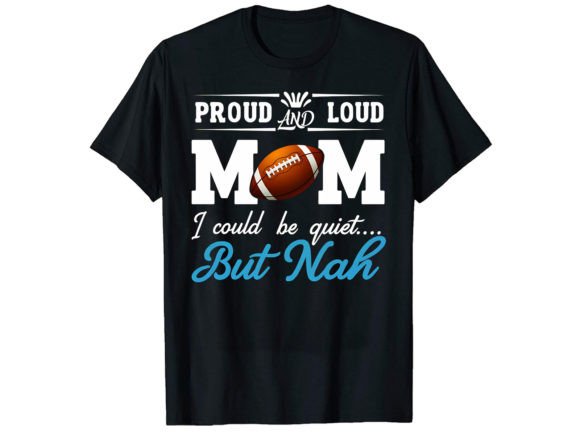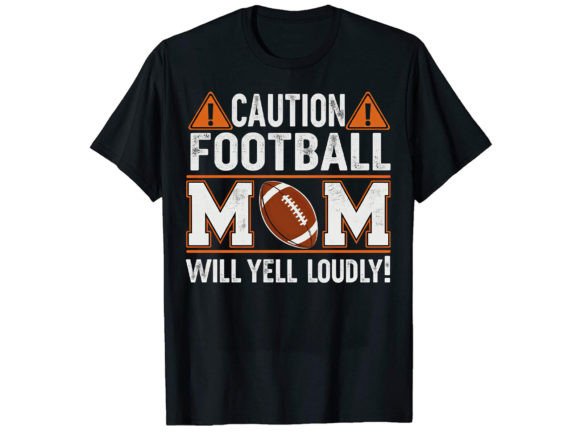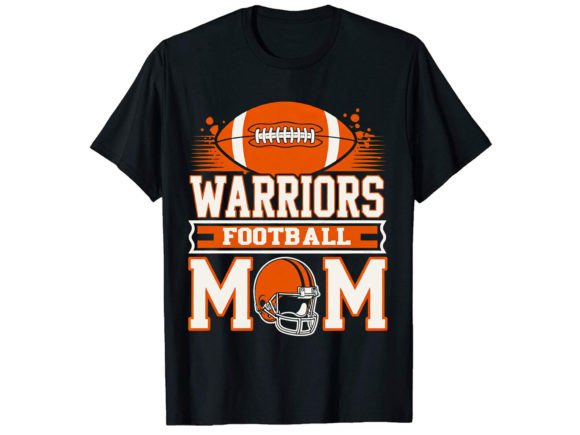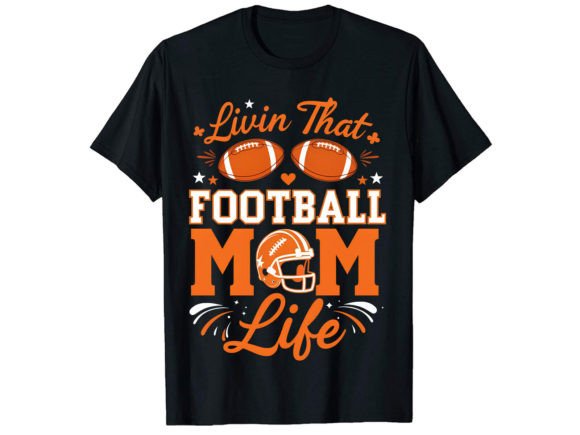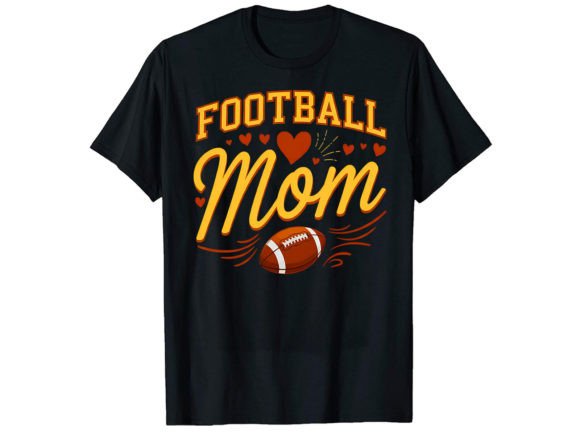
Hockey Mom T-Shirt Design Review
As a designer who spends more time staring at stitch density charts than actual hockey games, I approach every new asset with a healthy dose of skepticism. The market is flooded with generic sports graphics, so finding something that actually translates well into physical embroidery requires a sharp eye. I recently evaluated the Hockey Mom T-Shirt Design, a digital asset marketed toward apparel decorators and craft business owners. My goal was to determine if this design holds up under the microscope of real-world production or if it belongs in the "try at your own risk" folder.
First Impressions and Visual Personality
When you first load the file, the immediate takeaway is clarity. In the world of machine embroidery design, complexity is often mistaken for quality, but simplicity usually wins when it comes to stitching reliability. This design carries a bold, confident mood. It speaks directly to the niche audience of parents who live for weekend tournaments, which creates an instant emotional connection for the target buyer.
The layout feels balanced, avoiding the cluttered look that plagues many budget-friendly graphics. It has a distinct visual personality that suggests durability and pride. For an embroidery project aimed at creating a handmade product like a sweatshirt embroidery piece, this kind of straightforward aesthetic works beautifully. It doesn’t rely on tiny, fragile details that might get lost in the fabric weave. Instead, it leans into strong shapes that promise a clean, professional finish on the final finished product.
Real-World Application: From Screen to Stitch
To truly judge a digital embroidery file, you have to imagine it on fabric. I ran through several scenarios in my head, simulating how this would look as a commercial item. The primary use case is obviously apparel, specifically custom apparel like hoodies and heavy cotton tees. The design’s proportions seem ideal for a left-chest placement or a larger center-front print on a pullover hoodie.
However, the versatility extends beyond just clothing. I envision this working exceptionally well as an embroidered patch sewn onto a denim jacket or a backpack. It also has strong potential for home goods. Imagine this stitched onto a thick canvas tote bag design for a team gift, or even on a cozy throw blanket for the sidelines. The graphic nature of the asset makes it adaptable to various textures, provided the base material is sturdy enough to support the thread weight.
For the Etsy seller or small shop product owner, this design offers high recognition value. Parents love personalized items that signal their identity. A well-executed version of this design can serve as a powerful personalized gift for birthdays, holidays, or end-of-season awards. It bridges the gap between casual fan gear and sentimental keepsake, which is a sweet spot for craft business margins.
Technical Considerations and Potential Pitfalls
While the visual appeal is strong, practical application requires caution. Not all fabrics are created equal, and certain materials will challenge this design. If you plan to embroider this on thin fabric or highly stretchy knit materials without proper stabilization, you risk puckering or distortion. The design likely contains areas of dense stitching, so using the correct stabilizer is non-negotiable to maintain shape integrity.
I also need to flag the issue of small details. While the main graphic appears robust, any tiny lettering or intricate decorative accents within the applique design or satin stitch sections should be scrutinized. On curved surfaces like caps or hats, fine lines can blur if the hoop tension isn’t perfect. Similarly, on dark fabric, thread color contrast becomes critical. You must ensure the chosen thread colors provide enough visibility against the background, otherwise, the visual appeal drops significantly.
Another area requiring care is the washability factor. If this is intended for frequent washing, such as on baby clothes or athletic wear, the stability of the stitches is paramount. Loose threads or poor edge finishes can lead to customer complaints. Always test the design’s durability by running it through a wash cycle after stitching to see how the fill stitch holds up over time.
Practical Designer Notes for Production
Before committing to a full production run or listing this on your shop, follow these steps to ensure quality:
- Test on Scrap Fabric: Never go straight to the final garment. Stitch the design on a scrap piece of the same material to check for alignment and tension issues.
- Check Stitch Density: Review the file structure. Excessive density can make the fabric stiff and uncomfortable, while too little density can leave the fabric visible through the thread.
- Verify Hoop Size: Ensure your machine’s hoop size can accommodate the design dimensions without cutting off important elements.
- Inspect Small Details: Zoom in on the digital preview. Are there any isolated pixels or tiny shapes that might not stitch cleanly? These often require manual editing in the software.
- Black and White Mockup: View the design in grayscale to check contrast levels. This helps predict how it will look regardless of specific thread color choices.
- Confirm Licensing: Since this is a digital asset, double-check the license terms. Confirm whether you have the right to sell finished items made from this design assets pack, especially for commercial volume.
Final Verdict on Usability
The Hockey Mom T-Shirt Design is a solid addition to the toolkit of any decorator looking to tap into the sports parenting niche. It avoids the trap of being overly trendy, which means it will remain relevant season after season. Its strength lies in its adaptability; it functions well as a standalone graphic on a mug or sticker, but shines brightest when translated into textile art.
For the graphic enthusiast, the inclusion of mockups in the package is a helpful bonus, allowing for better presentation in online listings. However, the true value is realized only after successful digitization and stitching. When executed correctly—with attention to fabric texture, proper stabilizer usage, and careful thread colors selection—this design can elevate a simple embroidery project into a premium commercial embroidery offering.
If you are an apparel decorator or maker looking for a reliable, emotionally resonant theme, this design earns a recommendation. Just remember that the quality of the final output depends heavily on your technical execution. Treat it with respect, test thoroughly, and you’ll likely find it becomes a staple in your inventory of holiday embroidery and year-round sales items.